

Building a career is not just about finding a job and staying there. It is about understanding what you want, developing useful skills, making thoughtful choices, and being willing to adjust when your goals change.
Many people start their careers without a clear plan. That is completely normal. Your first job does not have to determine what you do for the rest of your life. Career development is an ongoing process, and your interests, skills, priorities, and opportunities can change along the way.
A good career plan gives you direction without making you feel trapped. Whether you are a student, a recent graduate, an experienced professional, or someone considering a career change, a few practical steps can help you move forward with more confidence.
What Is Career Planning and Development?
Career planning is the process of identifying your career goals and deciding what steps can help you reach them.
Career development is the ongoing work of improving your skills, knowledge, experience, professional network, and opportunities.
Think of career planning as creating a map. You may not follow the exact route you originally planned, but having a general direction can make decisions easier.
For example, someone interested in digital marketing might start by learning SEO and content creation, then gain experience through an internship or freelance project, and eventually move into a marketing specialist or manager role.
Career Planning vs. Career Development
| Career Planning | Career Development |
|---|---|
| Identifies career goals | Builds skills and experience |
| Creates a direction | Improves professional capabilities |
| Helps choose opportunities | Helps take advantage of opportunities |
| Focuses on future objectives | Continues throughout your career |
| Creates an action plan | Adjusts the plan as you grow |
Both work together. A plan without development stays on paper, while development without direction can feel unfocused.
Why Career Planning Matters
Career planning can help you make more intentional decisions about education, jobs, training, and professional opportunities.
Without a plan, it is easy to accept every opportunity simply because it is available. Sometimes that works, but sometimes you can spend years moving in a direction that does not fit your interests or priorities.
A career plan can help you:
- Understand your strengths and interests
- Identify skills you need to improve
- Set realistic professional goals
- Choose relevant learning opportunities
- Prepare for job searches
- Build professional confidence
- Make career changes more thoughtfully
- Track your progress over time
The goal is not to predict your entire future. It is to know what you want to work toward next.
Start With Self-Assessment
Before choosing a career path, spend some time understanding yourself.
Ask questions such as:
- What activities do I genuinely enjoy?
- What am I naturally good at?
- Which skills do other people often compliment me on?
- What type of work environment suits me?
- Do I prefer working independently or with a team?
- What matters most to me in a job?
- What kind of lifestyle do I want?
- Which tasks make me feel motivated?
- Which tasks consistently drain my energy?
You do not need perfect answers.
Sometimes your preferences become clearer through experience. A job, internship, volunteer project, or freelance assignment can teach you more about yourself than a career quiz.
Consider Your Strengths and Interests
Your strengths might include communication, organization, creativity, problem-solving, technical knowledge, leadership, research, or customer service.
Your interests might include technology, education, healthcare, finance, design, writing, marketing, business, science, or another field.
Look for areas where your abilities and interests overlap.
Define Your Career Goals
Once you have a better understanding of yourself, turn your ideas into specific goals.
Instead of saying:
“I want a successful career.”
Try something more specific:
“I want to become a content marketing specialist within the next two years.”
A clear goal makes it easier to identify the skills and experience you need.
Short-Term and Long-Term Goals
| Goal Type | Example |
|---|---|
| Short-term | Complete an online course |
| Short-term | Improve your resume |
| Short-term | Apply for relevant internships |
| Medium-term | Gain experience in your chosen field |
| Medium-term | Build a professional portfolio |
| Long-term | Move into a specialist or leadership role |
| Long-term | Build a career that supports your desired lifestyle |
Small goals create momentum.
You do not need to achieve your biggest career goal immediately. Focus on the next practical step.
Identify Your Skill Gaps
Once you know where you want to go, compare your current abilities with the requirements of your target role.
For example, if you want to work as a project manager, you may need skills such as:
- Project planning
- Communication
- Time management
- Team coordination
- Problem-solving
- Budget awareness
- Leadership
- Project management software
Create a simple skills gap list:
| Current Skill | Target Skill | Action |
|---|---|---|
| Basic Excel | Advanced Excel | Take a practical course |
| Good writing | Professional copywriting | Write regularly |
| Basic communication | Presentation skills | Practice presentations |
| Beginner coding | Job-ready programming | Build projects |
| Limited leadership | Team leadership | Volunteer for team responsibilities |
This approach makes career development feel more manageable because you can work on one skill at a time.
Build Skills That Employers Value

Technical knowledge matters, but career growth is not only about technical skills.
Employers often value a combination of technical and interpersonal abilities.
Technical Skills
These depend on your profession and may include:
- Data analysis
- Coding
- Graphic design
- Accounting
- SEO
- Digital marketing
- Project management
- Financial analysis
- Research
- Industry-specific software
Soft Skills
Soft skills can be useful across many careers:
- Communication
- Teamwork
- Adaptability
- Problem-solving
- Time management
- Critical thinking
- Leadership
- Emotional awareness
- Organization
Do not underestimate communication skills. Being able to explain an idea clearly, write a professional email, listen carefully, and work with different personalities can make a noticeable difference in many workplaces.
Gain Real-World Experience
Courses can help you learn, but experience helps you understand how skills work in real situations.
Depending on your situation, consider:
- Internships
- Part-time jobs
- Freelancing
- Volunteer projects
- Personal projects
- Apprenticeships
- Student organizations
- Industry events
- Portfolio projects
If you are trying to enter a competitive field, a small personal project can sometimes demonstrate your ability better than simply listing a course on your resume.
For example, an aspiring web designer could create three sample websites. A writer could build a portfolio of articles. A data analyst could create sample dashboards using public datasets.
Show what you can do, not just what you have studied.
Create a Strong Resume and Portfolio
Your resume should make it easy for a potential employer to understand your experience and relevant skills.
Focus on achievements and responsibilities that relate to the role.
Instead of:
“Responsible for social media.”
Consider:
“Created and managed weekly social media content for a small business.”
Where possible, include measurable results, but do not exaggerate them.
A portfolio can be especially useful for careers involving visible work, such as:
- Writing
- Design
- Photography
- Marketing
- Programming
- Video production
- Architecture
- Content creation
Keep your portfolio simple, organized, and relevant.
Build Your Professional Network
Networking does not have to mean walking into a room and talking to fifty strangers.
It can be much more natural.
You can:
- Connect with professionals in your field
- Attend industry events
- Join professional communities
- Ask experienced people about their career paths
- Participate in workshops
- Stay in touch with former colleagues
- Share useful professional work online
A simple conversation can sometimes introduce you to an opportunity you would not have found through a traditional job search.
Good networking is about relationships, not collecting contacts.
Learn How to Search for Jobs Strategically
Sending the same resume to hundreds of jobs is not always the most effective approach.
Start by identifying roles that genuinely match your skills and goals.
Then:
- Read the job description carefully.
- Identify important skills and requirements.
- Adjust your resume where appropriate.
- Prepare examples that demonstrate your experience.
- Research the organization.
- Prepare thoughtful interview questions.
- Track applications so you can follow up appropriately.
Quality and relevance matter.
If a job requires a skill you do not yet have, that does not necessarily mean you should give up. Look at the full requirements and consider whether the missing skill is something you can realistically develop.
Prepare for Interviews
An interview is not only about answering questions correctly. It is also an opportunity to understand whether the role fits your goals.
Prepare examples that demonstrate:
- Problem-solving
- Teamwork
- Leadership
- Communication
- Adaptability
- Handling challenges
- Learning from mistakes
Use real examples whenever possible.
A useful structure is:
Situation → Task → Action → Result
This helps keep your answers clear instead of turning them into long stories without a point.
Also prepare questions for the interviewer.
You might ask about:
- Team structure
- Day-to-day responsibilities
- Training opportunities
- Performance expectations
- Career development
- Workplace culture
Keep Learning Throughout Your Career
Career development does not stop when you get a job.
Industries change. Technology changes. Customer expectations change. New tools appear.
That means continuous learning can help you remain adaptable.
You can learn through:
- Online courses
- Workshops
- Books
- Podcasts
- Professional certifications
- Conferences
- Mentorship
- Practical projects
- Industry publications
You do not need to learn everything.
Choose learning opportunities that connect to your current responsibilities or future goals.
Find Mentors and Role Models
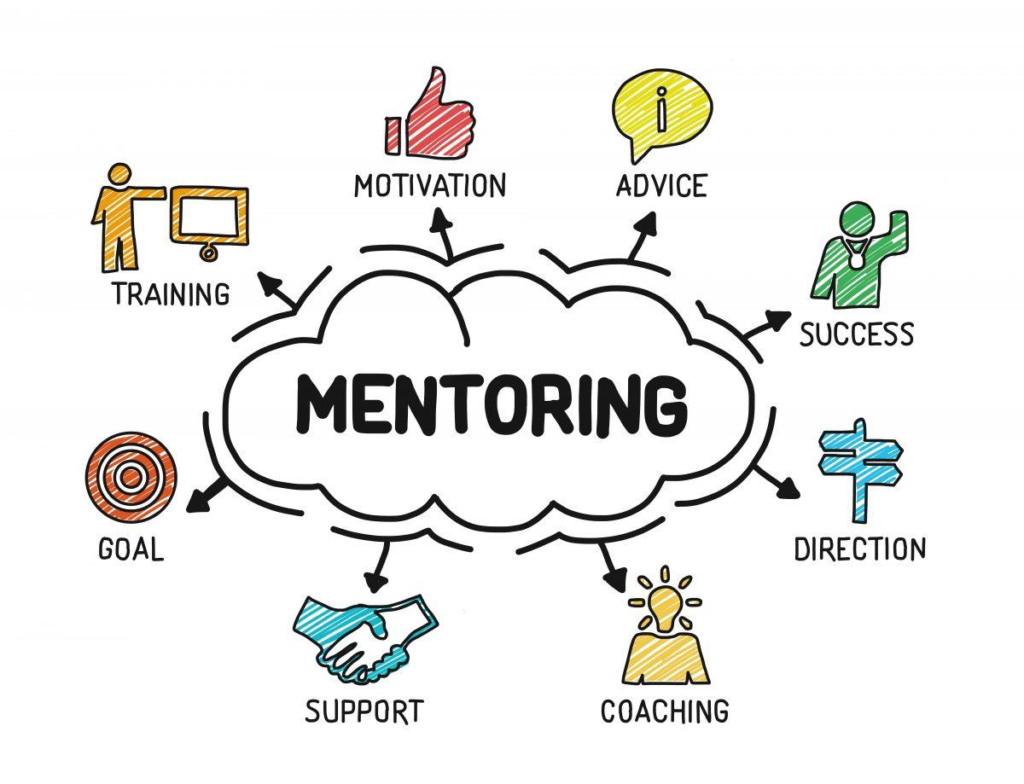
A mentor can provide perspective that is difficult to get from a textbook.
They may help you understand:
- What skills matter in your industry
- Common career mistakes
- How to handle workplace challenges
- Which opportunities are worth considering
- How to prepare for the next career step
A mentor does not need to have the exact career you want.
Sometimes someone with a few more years of experience can offer practical advice that makes a big difference.
Review Your Career Plan Regularly
Your career plan should not be a document you create once and forget.
Set aside time every few months to review your progress.
Ask:
- What have I learned?
- Which goals have I achieved?
- What is working?
- What is not working?
- Which skills should I develop next?
- Do my current goals still make sense?
- Has anything changed in my personal or professional priorities?
Your answers may lead you to update your plan.
Changing direction is not necessarily failure. Sometimes it means you have learned more about yourself.
Career Planning for a Career Change
Changing careers can feel intimidating, especially when you already have experience in another field.
Start by identifying transferable skills.
For example:
| Existing Experience | Transferable Skill |
|---|---|
| Customer service | Communication |
| Sales | Negotiation |
| Teaching | Presentation and training |
| Administration | Organization |
| Project coordination | Planning |
| Retail management | Leadership |
| Content writing | Research and communication |
Then identify what additional knowledge you need for the new career.
You may not need to start completely from zero.
Your previous experience can become part of your new career story.
Common Career Planning Mistakes
Choosing a Career Only for Money
Salary is an important consideration, but it should not be the only one. Think about responsibilities, growth opportunities, work environment, location, flexibility, and long-term fit.
Following Someone Else’s Career
A career that works perfectly for your friend may not work for you.
Your strengths, interests, responsibilities, and goals are different.
Waiting for the Perfect Opportunity
Sometimes the best way forward is through a smaller opportunity that gives you useful experience.
Ignoring Your Skills
Do not focus only on what you cannot do. Identify your existing strengths and build from them.
Never Updating Your Plan
Career goals can change. Review your direction regularly instead of following an outdated plan simply because you wrote it down years ago.
A Simple Career Planning Checklist
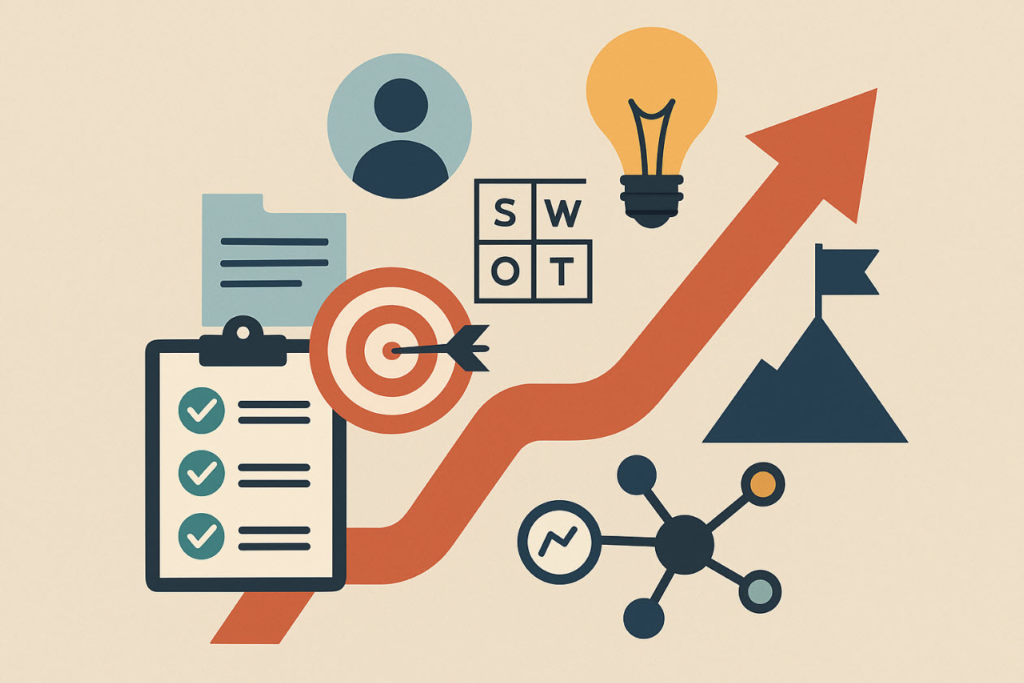
Use this checklist to keep your career development practical:
| Career Step | Done? |
|---|---|
| Identify your interests | ☐ |
| List your strengths | ☐ |
| Define short-term goals | ☐ |
| Define long-term goals | ☐ |
| Research potential career paths | ☐ |
| Identify skill gaps | ☐ |
| Build relevant skills | ☐ |
| Gain practical experience | ☐ |
| Update your resume | ☐ |
| Build a portfolio if relevant | ☐ |
| Develop your professional network | ☐ |
| Practice interview skills | ☐ |
| Find learning opportunities | ☐ |
| Review your career plan regularly | ☐ |
FAQ’S
1. What types of women’s accessories can I find from DIALINE?
DIALINE women’s accessories can include handbags, jewelry, sunglasses, scarves, hair accessories, belts, and wallets. Available products and designs may vary.
2. How do I choose the right DIALINE handbag?
Consider the size, storage capacity, material, strap design, compartments, color, and comfort. Choose a handbag that fits your daily routine as well as your personal style.
3. What jewelry is best for everyday outfits?
Simple earrings, necklaces, bracelets, and rings are easy choices for everyday styling. Statement jewelry can be saved for occasions when you want a more noticeable look.
4. What should I look for when buying sunglasses?
Check the UV protection, lens features, frame size, fit, and comfort. The right sunglasses should feel comfortable while complementing your preferred style.
5. How can I match accessories with different outfits?
Try using accessories to repeat a color, create contrast, or add texture. Neutral accessories are easy to combine, while colorful pieces can make a simple outfit more expressive.