
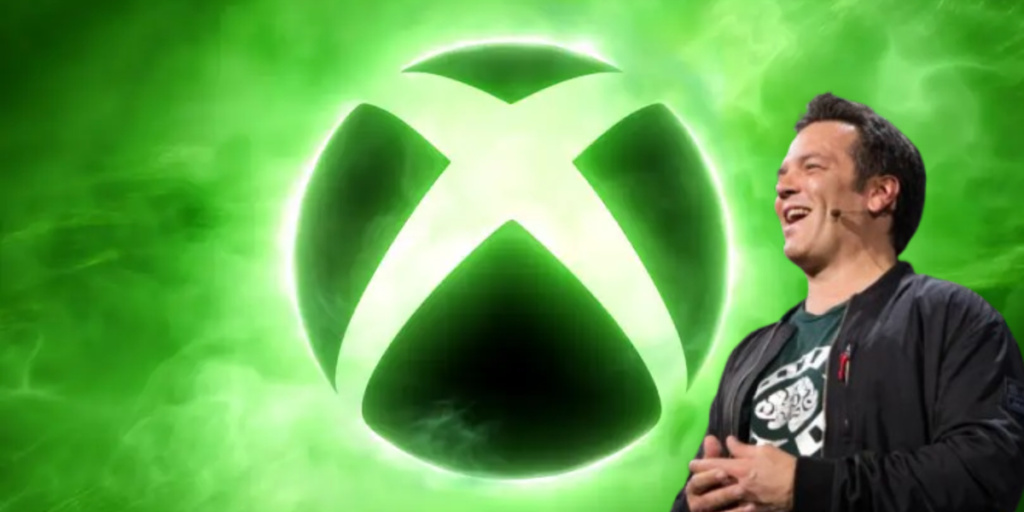
Over the past decade, Phil Spencer transformed Xbox from a struggling console brand into a bold, ecosystem-driven gaming platform. When he took charge in 2014, Xbox was recovering from a difficult generation. Spencer rebuilt trust with players and introduced a long-term vision focused on accessibility, digital services, and subscription growth.
His strategy was not just about selling consoles — it was about redefining how people access and experience games.
The Rise of Game Pass
The biggest shift under Spencer was the launch and expansion of Xbox Game Pass. The idea was simple but powerful: instead of paying full price for every game, players could subscribe and access a large library — including first-party titles on release day.
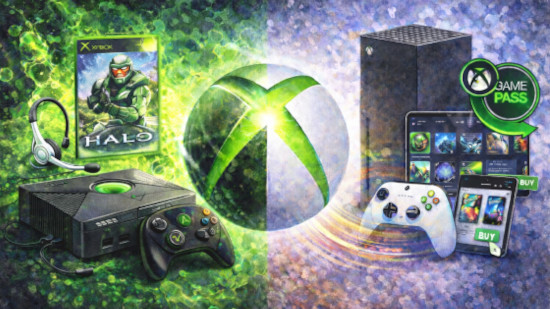
Initially, this approach was widely seen as consumer-friendly and highly cost-effective, offering players access to a large library of games at a relatively low monthly price. It was considered industry-changing, as it challenged the traditional model of purchasing individual titles at full price.
More importantly, it gave Xbox a major competitive advantage, positioning the brand as an innovator and leader in subscription-based gaming through services like Xbox Game Pass.
Microsoft invested heavily to support this vision. The company acquired multiple studios, expanded development teams, and strengthened its cloud infrastructure to ensure Xbox games could be played across console, PC, and streaming platforms.
But innovation at this scale comes with financial pressure.
The Cost of Ambition
Over time, the massive spending began to show consequences. Rising development budgets, slower subscription growth, and increasing operational costs created strain within the gaming division.
In recent years, Xbox has experienced:
- Studio closures
- Workforce layoffs
- Organizational restructuring
- Greater pressure for profitability
These developments raised important questions about sustainability. While Game Pass delivers value to players, placing expensive AAA titles into a subscription model on day one creates long-term financial challenges. The balance between growth and profit has become more delicate than ever.
An Identity in Transition
Perhaps the biggest issue facing Xbox today is not financial — it is identity.
Traditionally, console brands were defined by exclusive games, powerful hardware, and direct competition. Under Spencer, Xbox shifted toward being an ecosystem available on multiple devices. Games became playable beyond the console, making Xbox more accessible than ever.
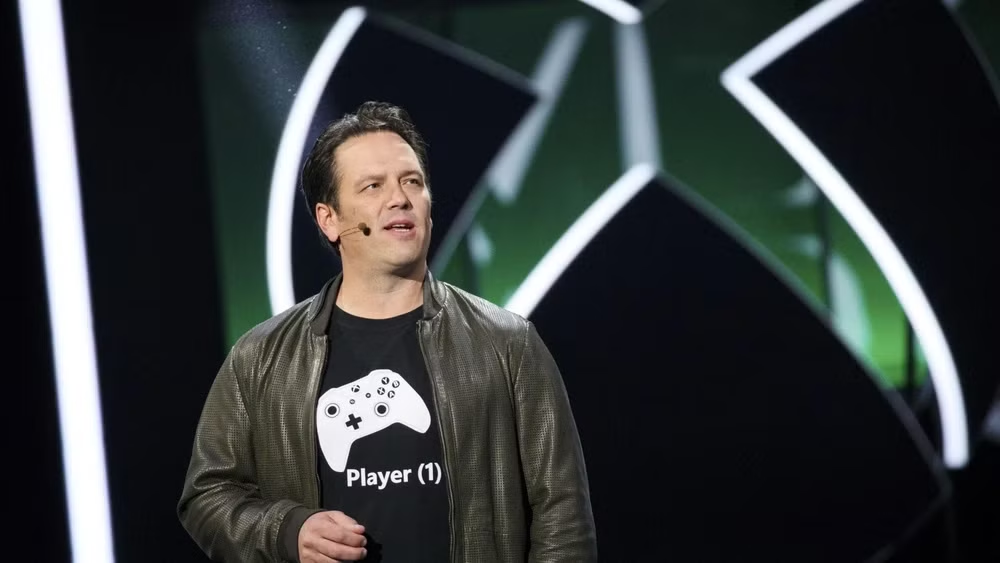
However, this expansion also blurred the brand’s definition.
If Xbox games are available on PC and cloud platforms, what makes the Xbox console essential?
If Game Pass is the centerpiece, is Xbox a service rather than a system?
This transition from hardware-first to ecosystem-first created flexibility, but it also created confusion.
A Defining Moment Ahead
With Phil Spencer stepping down, Xbox now stands at a critical crossroads. The next leadership phase must decide whether to double down on the subscription ecosystem or re-establish a stronger hardware identity.
Moving forward, Xbox must bring more clarity to its long-term vision and clearly communicate what the brand stands for. It also needs a stronger lineup of defining exclusives to rebuild a clear identity and competitive edge. At the same time, refining and sustaining its subscription model, especially Xbox Game Pass, will be essential to balance player value with long-term profitability.
Because in the gaming industry, clarity builds loyalty — and loyalty builds longevity.
Final Reflection : Phil Spencer’s era will be remembered as bold and transformative. He modernized Xbox, expanded its reach, and pushed the industry toward subscription-based gaming. Yet after billions of dollars in investment, the most important question remains unanswered:
Is Xbox a console, a service, or an ecosystem?
FAQs
#Xbox #PhilSpencer #XboxGamePass #MicrosoftGaming #Carrerbook #Anslation #GamingIndustry #ConsoleWars #CloudGaming #GamingNews #XboxFuture #GamePass